Kenya passed a major update to its wildlife law in 2026. The Wildlife Conservation and Management (Amendment) Bill builds on the Wildlife Conservation and Management Act, 2025. That Act replaced a law that had stood since 2013. Headlines called it a win for conservation. Few explained what it means for someone booking a safari.
Touring Insights built this explainer straight from the bill text, Kenya Wildlife Service (KWS) documentation, and reporting from the African Wildlife Foundation (AWF). It covers new penalties at customs, who now manages reserves like the Maasai Mara, where your park fees actually go, and new rules on marine wildlife along the coast.
None of this changes the basics of planning a safari. You still fly into Nairobi, pay a park entry fee, and book through a licensed operator. What changes sits underneath that experience: how compensation works for local communities, how strict customs enforcement now is, and which government body signs off on tourism zoning inside a given reserve.
The Short Answer: What Changed in 2026
The 2025 Act rewrote Kenya’s core wildlife law after more than a decade. On top of that, the 2026 amendment adds one specific piece. Sharks, stonefish, whales, and stingrays now count as compensable wildlife, alongside lions, elephants, and buffalo. Together, the two laws raise penalties for wildlife crime and set fixed compensation for human-wildlife conflict. They also hand county governments a bigger role in managing national reserves, and lock in a minimum 30 percent share of park gate fees for nearby communities.
For a traveler, the practical effects show up in three places. Airport checks on wildlife products are stricter now. Conservancy fees run through a more formal, county-level system. And reserves on county land, like the Maasai Mara, now follow clearer management rules.
Higher Penalties for Wildlife Crime and What It Means at Customs
The new penalty structure is steep by design. Illegal trade in endangered species now carries fines up to KES 100 million (roughly USD 775,000), or 20 years in prison. Import or export of other wildlife products without a permit can bring a fine up to KES 20 million, or 10 years. Unlicensed bushmeat sales carry penalties up to KES 10 million, or 7 years.
AWF has flagged one rule that hits travelers directly. Anyone caught at a Kenyan airport with prohibited wildlife products, such as ivory, now faces a minimum fine of KES 1 million (about USD 7,750). That is not a cap. It is the floor.
For safari travelers, the takeaway is simple. Do not buy or carry any bone, horn, ivory, skin, or shell item without a clear paper trail from a licensed curio dealer. Both Jomo Kenyatta International Airport and Wilson Airport run wildlife-product screening on outbound flights. Enforcement has visibly tightened since the bill passed.
Human-Wildlife Conflict Compensation: The New Numbers
This part of the law targets Kenyan communities, not tourists. It still explains a lot about the conservancy fees and community levies built into your safari cost. The 2025 Act set fixed compensation figures for death, injury, and property loss caused by wildlife. Claims now run through County Wildlife Compensation Committees (CWCCs) instead of the slow national process that came before.
| Harm Type | Compensation (KES) | Approx. USD | Who Processes the Claim |
|---|---|---|---|
| Death caused by wildlife | Up to 5,000,000 | ~$38,750 | County Wildlife Compensation Committee |
| Permanent injury or disability | Up to 3,000,000 | ~$23,250 | County Wildlife Compensation Committee |
| Other injury | 0 – 2,000,000 | up to ~$15,500 | County Wildlife Compensation Committee |
| Crop, livestock, or property loss | Market value assessment | Varies | County Wildlife Compensation Committee |
USD figures are indicative conversions at roughly 129 KES per USD, and they will move with the exchange rate. Here is why this matters for your booking. Conservancies near parks like the Maasai Mara use part of their guest fees to fund community goodwill and conflict mitigation. A faster, better-funded compensation system reduces retaliatory killing of wildlife near conservancy boundaries. That protects the sightings you are paying to see.
Who Manages the Maasai Mara Now? County Roles Explained
One of the bigger structural shifts sits in county authority. National reserves, as opposed to national parks, sit on land held by county governments. The Maasai Mara National Reserve is the clearest example. It falls under Narok County, not KWS directly.
The new law requires counties to draft formal management plans for every national reserve in their jurisdiction. Those plans must zone land for conservation, tourism, and other regulated uses. In practice, that means decisions about new lodge development, vehicle limits, and off-road driving rules inside the Mara now follow a documented county process. The old system was far more informal.
| Area | Size (km²) | Managed By (Post-Bill) | Nairobi Distance |
|---|---|---|---|
| Maasai Mara National Reserve | ~1,510 | Narok County, under a required management plan | ~270 km / ~45 min flight |
| Amboseli National Park | ~392 | Kenya Wildlife Service (national park) | ~240 km / ~35-40 min flight |
| Tsavo East National Park | ~13,747 | Kenya Wildlife Service (national park) | ~330 km / ~45-50 min flight |
| Watamu Marine National Park | ~10 (marine) | KWS, now with expanded marine species compensation rules | ~110 km from Mombasa |
If you are booking a Mara conservancy stay for 2027, ask your operator whether the county’s management plan affects vehicle density or zoning in that specific conservancy. Rules vary more now between counties than they did under the old national-only system.
Marine Wildlife Protection: New Rules for Coastal Extensions
The 2026 amendment’s headline addition is marine. Sharks, stonefish, whales, and stingrays now fall under the same compensation and protection framework as land animals. That matters most if you are adding a coastal leg to your safari, around Watamu, Diani, or Kisite-Mpunguti Marine National Park south of Wasini Island.
For divers and snorkelers, two things change. Enforcement around marine species handling gets tighter. Fishing communities affected by a shark or ray encounter now have a formal compensation path. Together, that treats the reef and the savanna under one conservation law instead of two separate regimes.
Where Your Park Fee Actually Goes
The law locks in a minimum 30 percent share of national park gate fees for communities living next to that park. This was informal practice in some areas before 2025. Now it is a floor set in statute.
Separately, KWS ran its first full review of conservation fees in 18 years. New rates took effect in October 2025 across parks including Amboseli, Nairobi, and Tsavo. That review is a distinct regulatory action from the 2026 bill. Still, travelers should expect both forces pushing entry fees upward through 2026 and 2027. Current indicative non-resident daily rates sit around $80-100 for the Maasai Mara and $60-80 for Amboseli. Always confirm the live rate with your operator before you travel, since park authorities update these on their own schedule.
Explorer Notes
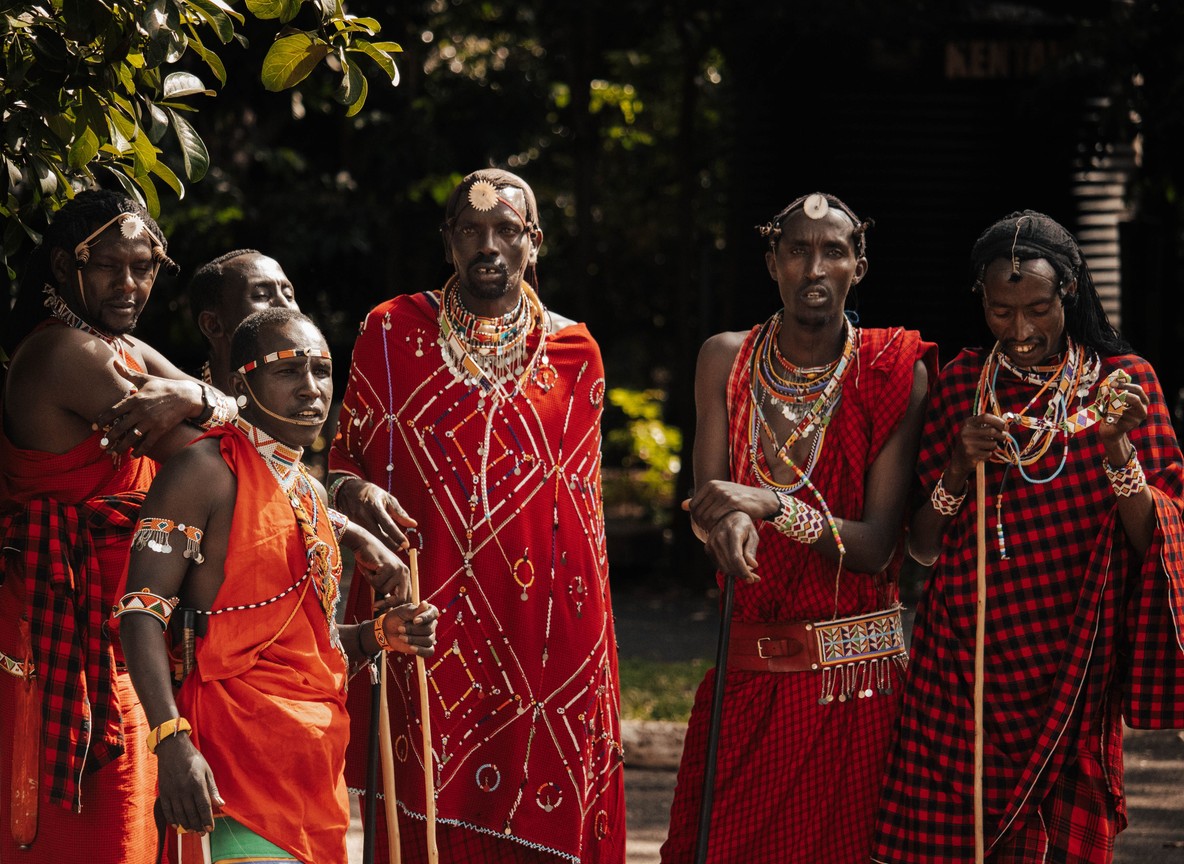
A few things we have picked up from operators and conservancy managers since the bill passed. First, do not expect visible changes on the ground during a short trip. The law mostly restructures who signs off on decisions and how compensation money flows, not the physical safari experience itself. Second, ask your guide about it. Many Maasai and Samburu guides sit close to the compensation and revenue-sharing side of this law, since it touches their own communities. They often give a far more grounded read than any news summary. Third, if your itinerary includes a private conservancy, ask what share of your bed-night fee goes to community programs. Some conservancies now publish this figure directly. That transparency habit predates the bill, but the new revenue-sharing floor is pushing more operators to adopt it.
What to Read Next
- New to Kenya’s entry requirements? Start with our Kenya eTA problems and delays guide.
- Planning conservancy time in the Mara? See our Maasai Mara booking lead-time guide.
- Budgeting for park fees and extras? Read our Kenya safari money guide.
FAQ
Does Kenya’s new wildlife bill change safari prices? Not directly. The bill sets compensation and penalty rules. A separate KWS fee review, effective October 2025, is the main driver behind rising park entry costs.
Can I still buy curios made from animal products in Kenya? Only from licensed dealers with proper documentation. Penalties for unlicensed wildlife products, including a minimum KES 1 million airport fine, are now significantly stricter.
Who manages the Maasai Mara Reserve under the new law? Narok County government, operating under a required management plan that zones the reserve for conservation, tourism, and other regulated uses.
Does the bill affect marine parks like Watamu or Kisite-Mpunguti? Yes. Sharks, stonefish, whales, and stingrays are now covered under the same compensation and protection framework as land wildlife.
Where does my park entry fee go now? At least 30 percent of national park gate fees goes to communities living next to that park, a share now fixed in law rather than left to informal agreement.
Curious how this affects the specific parks on your list? Visit our Tour Packages page to see current itineraries, or check with your operator directly on any conservancy-level fee or access change before you book.